


Wheel Alignment Services

Protect Your Tires, Improve Handling, and Drive with Confidence
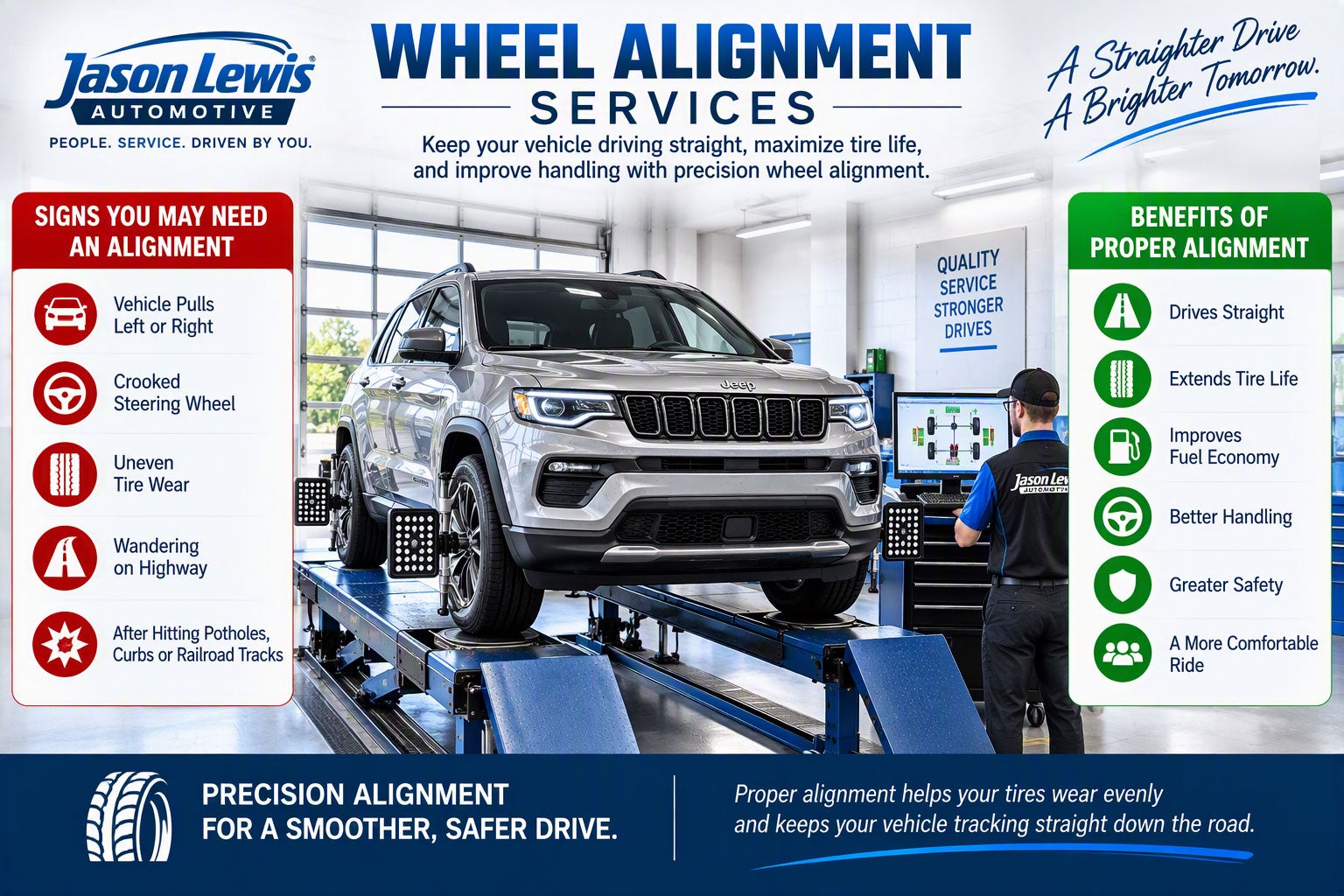
Your vehicle's wheel alignment affects much more than steering. Proper alignment helps your vehicle travel straight, improves tire life, enhances handling, and contributes to a smoother, safer driving experience.
If your vehicle pulls to one side, the steering wheel is crooked, or your tires are wearing unevenly, a wheel alignment inspection may be the solution.
At Jason Lewis Automotive, we use precision alignment equipment and experienced technicians to help keep your vehicle performing as the manufacturer intended.
Schedule Your Wheel Alignment Inspection TodayUnderstanding Wheel Alignments
Many drivers believe wheel alignment simply means straightening the steering wheel. In reality, wheel alignment involves adjusting your vehicle's suspension angles to ensure the tires meet the road at the correct position and angle.
When your vehicle is properly aligned, you benefit from:
- Longer Tire Life
- Improved Handling
- Better Steering Response
- Increased Driving Comfort
- Enhanced Fuel Efficiency
- Greater Vehicle Stability
Proper wheel alignment helps your tires work together rather than fight against one another.
How Wheel Alignment Works
Wheel alignment involves adjusting three primary angles that determine how your tires contact the road.
Camber
Camber is the inward or outward tilt of the tire when viewed from the front of the vehicle. Too much positive or negative camber can cause uneven tire wear and handling concerns.
Caster
Caster is the forward or rearward angle of the steering axis. Proper caster helps your vehicle track straight and assists the steering wheel in returning to center after a turn.
Toe
Toe refers to whether the tires point slightly inward or outward when viewed from above. Incorrect toe is one of the most common causes of rapid tire wear and poor vehicle handling.
When these angles are adjusted to factory specifications, the vehicle drives straighter, handles better, and helps maximize tire life.
Did You Know?
Many alignment problems begin months before a driver notices a handling issue.
A vehicle can be significantly out of alignment while still feeling relatively normal to drive. Meanwhile, the tires may be wearing unevenly and losing valuable tread life every mile. Routine alignment inspections can often help drivers avoid premature tire replacement and improve overall vehicle performance.

Jason Lewis Automotive Pro Tip
Slow down when approaching potholes, railroad crossings, speed bumps, driveway entrances, and other road hazards. The faster your vehicle encounters these impacts, the greater the stress placed on steering and suspension components. A few extra seconds of caution can help extend the life of your tires, shocks, struts, steering components, and wheel alignment.
Common Alignment Problems We Fix
Our technicians diagnose and correct a variety of alignment-related concerns.
Vehicle Pulling Left or Right
A vehicle that consistently drifts in one direction may have alignment issues, tire concerns, or worn steering and suspension components.
Crooked Steering Wheel
If your steering wheel is off-center while driving straight, alignment adjustments may be necessary.
Uneven Tire Wear
Misalignment often causes tire wear patterns that shorten tire life and affect ride quality.
Vehicle Wandering
A vehicle that requires constant steering correction may benefit from an alignment inspection.
Recent Suspension Repairs
Replacing steering and suspension components often requires wheel alignment to restore proper geometry.
Pothole or Road Impact Damage
Road hazards can affect alignment settings even when no visible damage is present.
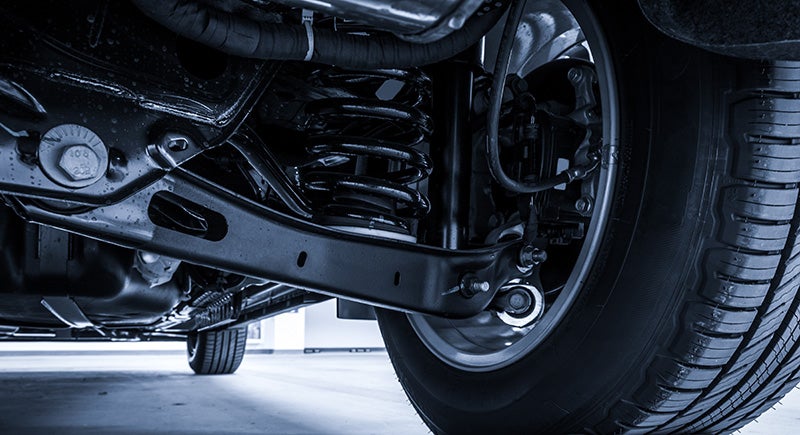
Warning Signs Your Vehicle May Need Alignment Service
- Vehicle Pulls to One Side
- Crooked Steering Wheel
- Uneven Tire Wear
- Steering Feels Loose
- New Tire Installation
- Vehicle Wanders at Highway Speeds
- Recent Pothole or Curb Impact
- Suspension or Steering Repairs
If you notice any of these symptoms, our technicians can perform a complete alignment inspection.

What Causes Alignment Problems?
Many alignment issues develop gradually through everyday driving conditions.
Common causes include:
- Potholes
- Curb Impacts
- Railroad Crossings
- Speed Bumps
- Road Construction Zones
- Rough Pavement
- Suspension Wear
- Steering Component Wear
- Collision Damage
- Normal Suspension Settling
Even minor impacts can affect wheel alignment over time.
Professional Alignment Inspection
At Jason Lewis Automotive, our wheel alignment process includes:
Initial Vehicle Evaluation
We begin by discussing your concerns and performing a preliminary inspection.
Tire Wear Analysis
Our technicians evaluate tire wear patterns that may indicate alignment or suspension issues.
Steering & Suspension Inspection
We inspect related suspension and steering components that could affect alignment results.
Precision Alignment Measurements
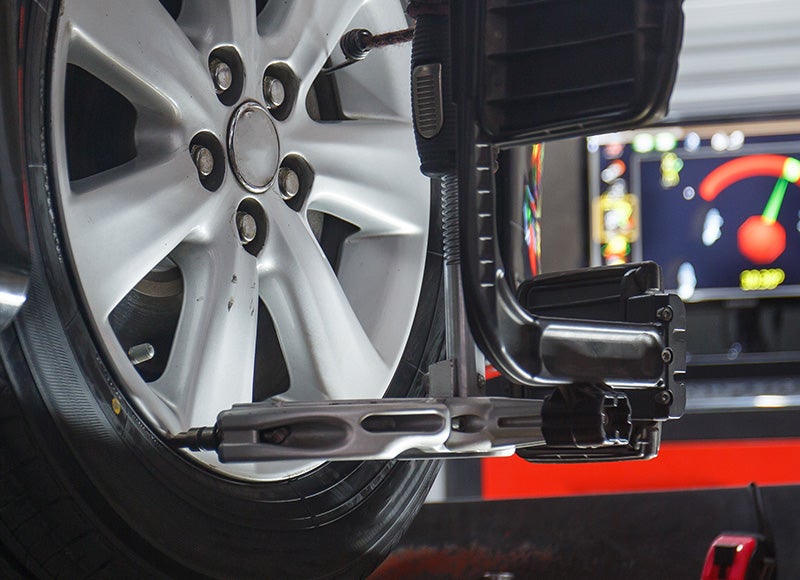
Using modern alignment equipment, we measure current alignment angles and compare them to manufacturer specifications.
Digital Vehicle Inspection
Photos and inspection results are documented so you can clearly understand our findings.
Final Verification
After adjustments are made, we verify alignment angles and road-test the vehicle when appropriate.
Understanding Camber, Caster & Toe
Camber
Improper camber often results in excessive wear on the inside or outside edge of the tire.
Caster
Incorrect caster can contribute to poor directional stability, steering pull, or wandering.
Toe
Even a small toe mis-adjustment can significantly reduce tire life. Of all alignment angles, toe frequently has the greatest impact on tire wear.

The True Cost of Misalignment
A vehicle that is only slightly out of alignment can create significant expenses over time.
Misalignment may lead to:
- Premature Tire Replacement
- Reduced Fuel Economy
- Handling Concerns
- Reduced Driving Comfort
- Increased Tire Wear
Often, a wheel alignment costs far less than replacing tires that wore out prematurely because alignment issues were ignored.
How Often Should Alignment Be Checked?
Many drivers wait until they notice a problem before having their alignment inspected. Unfortunately, by that time tire wear may have already begun.
As a general guideline, alignment should be checked:
- When purchasing new tires
- After replacing steering components
- After replacing suspension components
- Following significant pothole or curb impacts
- When unusual tire wear is noticed
- When the vehicle begins pulling or drifting
- Periodically as part of routine vehicle maintenance
Regular alignment checks can help maximize tire life and maintain proper vehicle handling.
Wheel Alignment & Tire Life
Proper alignment helps your tires maintain consistent contact with the road surface.
Benefits include:
- Longer Tire Life
- Improved Fuel Efficiency
- Better Steering Precision
- Enhanced Ride Quality
- More Predictable Handling
- Improved Driver Confidence
Protecting your alignment is one of the simplest ways to maximize your tire investment.
Alignment After Repairs
Many steering and suspension repairs require wheel alignment afterward.
Alignment is commonly recommended following:
- Tie Rod Replacement
- Steering Rack Replacement
- Ball Joint Replacement
- Control Arm Replacement
- Strut Replacement
- Suspension Repairs
Proper alignment helps ensure new components perform correctly and tires wear evenly.
Two-Wheel vs. Four-Wheel Alignment
Two-Wheel Alignment
Focuses on front-wheel alignment angles and is commonly performed on certain vehicles.
Four-Wheel Alignment
Measures and adjusts all four wheel positions where applicable.
Which Alignment Does My Vehicle Need?
Our technicians will recommend the alignment procedure that best fits your vehicle's design and condition.
Frequently Asked Questions
How often should wheel alignment be checked?
Alignment should be inspected whenever you experience handling concerns, unusual tire wear, or significant road impacts.
Can wheel alignment affect tire wear?
Absolutely. Improper alignment is one of the leading causes of premature tire wear.
Why is my steering wheel crooked?
An off-center steering wheel is often a symptom of alignment problems.
Can potholes affect alignment?
Yes. Potholes and other road hazards can impact alignment settings and suspension geometry.
Can railroad crossings and speed bumps affect alignment?
Repeated impacts from railroad crossings, speed bumps, potholes, curbs, and rough roads can gradually affect steering and suspension components. Slowing down for these obstacles helps reduce stress on your vehicle and may help maintain proper alignment.
Do I need alignment after suspension repairs?
In many cases, alignment is recommended to ensure proper handling and tire wear.
How long does a wheel alignment take?
Service times vary by vehicle and condition, but most alignments can be completed relatively quickly.
Related Services
- Steering Components
- Shocks & Struts
- Tire Rotation
- Tire Balancing
- Tire Sales
- Suspension Repair
Protect Your Tires and Improve Vehicle Handling
If your vehicle pulls, wanders, wears tires unevenly, or has a crooked steering wheel, our technicians can determine whether wheel alignment is the cause.
Why Choose Jason Lewis Automotive?
- Precision Alignment Equipment
- Experienced Technicians
- Tire Wear Analysis
- Steering & Suspension Expertise
- Digital Vehicle Inspections
- Honest Recommendations
- Commitment to Your Safety
Proper wheel alignment helps protect your tires, improve fuel efficiency, and restore the handling characteristics your vehicle was designed to deliver. Don't let alignment problems shorten the life of your tires or compromise your driving experience.
Schedule Your Wheel Alignment Service with Jason Lewis Automotive Today.